FSD v14 Took Away Your Speed Cap. Tesla Says It's Not Coming Back.
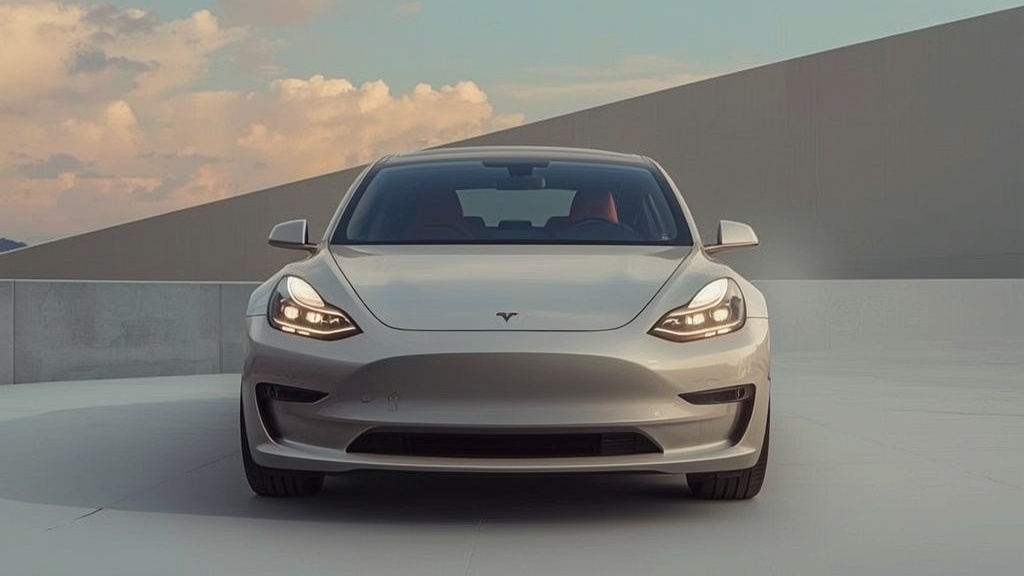
When FSD v14 shipped in late 2025, it quietly removed one of the more useful controls in the semi-autonomous stack: the max speed setting. If you used FSD and wanted to make sure it wouldn't barrel down the highway at 85 mph, you had a slider for that. It's gone now. And according to Tesla AI lead Ashok Elluswamy, who confirmed this on August 3, 2026, it's not coming back. He called it "an anti pattern."
What You Get Instead
Tesla replaced the max speed control with five Speed Profiles. The range runs from Sloth (most conservative) through Standard to Mad Max (most aggressive), with two more options in between. These profiles do more than just set a speed ceiling. They also control how frequently the car makes passes, how aggressively it changes lanes, and other driving behaviors. So Sloth isn't just slow. It's the version that patiently sits behind a truck for five miles instead of jumping left at the first opening. Mad Max is the opposite of that.
But here's the wrinkle: profile behavior changes with each FSD software update. So what Sloth does on your commute today might not be exactly what Sloth does after the next release. It's worth checking release notes if you've landed on a setup that works.
The Legal Reality
Under FSD (Supervised), you are still legally responsible for everything the car does. That means if a profile takes you past a speed camera faster than the limit, the ticket goes to you. Not to Tesla. Not to Elluswamy.
The old max speed control let you set a hard ceiling. You could tell FSD "don't exceed 70" and it would comply. That was you resolving a potential conflict between your preferences and the car's behavior, in your favor. Speed Profiles give you a behavioral envelope, not a hard limit. That's a meaningful difference if you drive somewhere with active enforcement or school zones where the margin for error is zero.
Why Tesla Removed It
Elluswamy's "anti pattern" framing suggests Tesla sees a separate speed control layered on top of FSD as creating conflicts with how the system is supposed to work. The stated direction is to build AI that learns users' implied driving preferences instead. The idea being that the system figures out you're conservative (or aggressive) by watching how you respond to its behavior, rather than you explicitly dialing in a number.
This could mean Speed Profiles are a transitional step while that preference-learning system matures. But that's speculation on my part. What's confirmed is that the explicit max speed control is gone and Tesla has no plans to restore it.
Whether This Works for You
If you mostly used FSD on highways and never touched the max speed slider, the profiles probably feel like a reasonable replacement. If you relied on that slider to keep the car from doing something embarrassing in a 25 mph residential area, Sloth is now your best option. And having your driving mode set to "Sloth" is its own kind of statement.
The implicit bet Tesla is making is that users will eventually prefer a system that knows them over one they have to configure. That might be right. But "eventually" is doing a lot of work in that sentence, and in the meantime, drivers are still on the hook for every infraction the car racks up.
Source: Teslarati