Tesla Drops FSD v14 Lite for HW3 on June 29
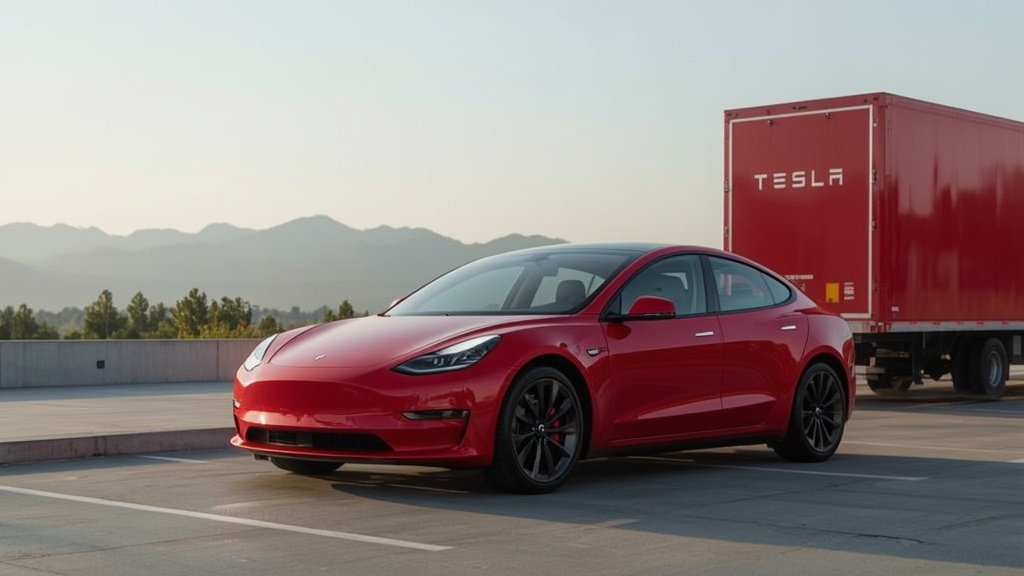
If you're on Hardware 3 and started wondering whether Tesla had quietly moved on, today's answer is: not yet. Tesla released FSD v14 Lite to HW3 (also called AI3) vehicles on June 29, 2026, starting with early-access customers. Wider rollout is planned over the following weeks.
The "Lite" name is worth unpacking before getting into what changed.
What "Lite" Actually Means
FSD v14 Lite takes the driving intelligence from the full HW4 v14 model and distills it into configurations that fit HW3's camera setup and compute hardware. Take the intelligence, compress it, run it on older silicon. And it enables Reinforcement Learning and offline models on HW3 hardware. That's the piece that matters architecturally. RL is part of what made v14 improvements possible on HW4, and HW3 owners are now getting access to that same approach.
Whether older hardware can extract the full benefit of RL-based training is worth watching. One possibility is that improvements plateau sooner than they would on HW4. But the architectural shift is real, not cosmetic.
The Driving Improvements
The update covers navigation handling, merges and forks, pedestrian interactions, traffic lights, and vehicle cut-in scenarios. These aren't edge cases. They're the situations that come up in normal daily commutes, and improvements here will be obvious quickly.
On the comfort side: fewer false slowdowns, smoother steering, and more consistent lane centering. False slowdowns have been one of the more persistent FSD complaints. If Tesla has actually reduced them, most HW3 owners will feel it within a week.
Speed Profiles are now available at all times on city roads, which removes a limitation on when you could access them.
Parking Is the Surprise
I didn't expect HW3 to get parking, unparking, and reversing in this update. But it's there. And with it comes Arrival Options: Parking Lot, Street, Driveway, or Curbside. You pick how you want to arrive, and FSD handles the final approach.
If it works consistently, this closes a real gap between HW3 and HW4 capability sets. It's not a small addition.
Meanwhile, Cybercab Is Already in Production
Separate from the software news, Cybercab entered production at Giga Texas in April 2026. Production units spotted at the facility were confirmed without a steering wheel, brake pedal, or acceleration pedal. Tesla's First Responders Guide states this directly: production Cybercab units have none of those controls.
Engineering and test vehicles do have steering wheels and pedals, but those units operate at SAE Level 2 with Safety Monitors on board. The distinction is deliberate. What's rolling off the line in Texas is fully driverless by design, not a prototype hedging its bets.
The connection to FSD v14 Lite isn't direct. But the same RL-based training approach now reaching HW3 is the underlying infrastructure for a vehicle that ships without a single manual control. That combination tells you something about where Tesla's confidence level sits right now.
What to Actually Test
Early-access rollout started June 29. If you're not in that group, wider release is coming in the following weeks. The false-slowdown behavior and the parking features are the two things worth evaluating first. Both are easy to judge in real use, and both have been areas where HW3 FSD has had obvious room to improve.
Ashok Elluswamy (Tesla's Head of AI) and the FSD team have a lot riding on whether "Lite" turns out to mean meaningfully close to the real thing or noticeably short of it. A few weeks of real-world data will settle that faster than any announcement will.
Source: Teslarati