Tesla FSD Gets European Approval. Here's What That Actually Means.
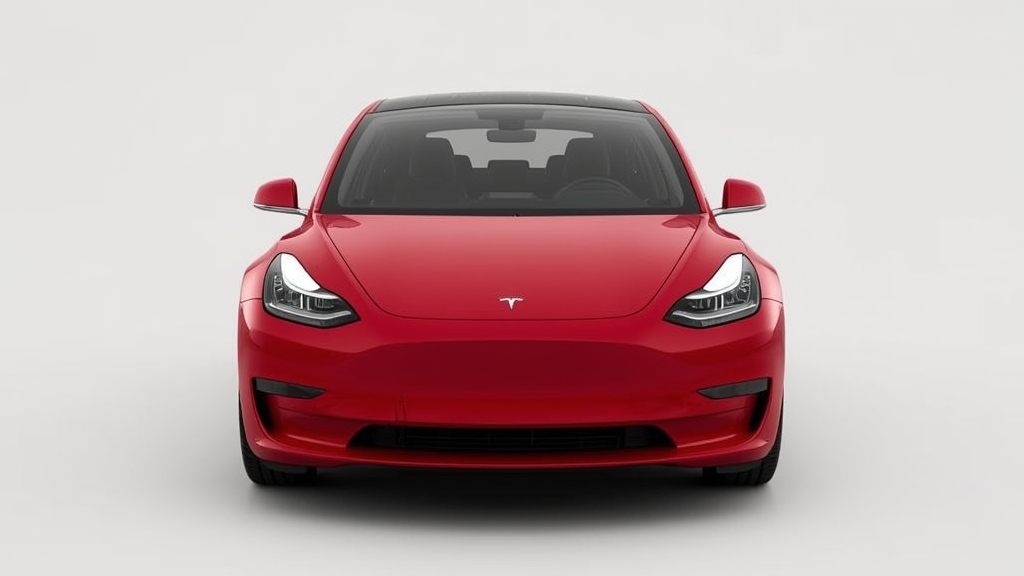
April 10 was a busy day for Tesla news. The Dutch vehicle authority RDW granted Tesla the first European type approval for Full Self-Driving Supervised, making the Netherlands the first country in Europe to authorize FSD for customer use on public roads. After 18 months of testing, 1.6 million kilometers driven on EU roads, and 13,000 customer ride-alongs, it's official. European drivers can actually subscribe to FSD now.
But before anyone gets too excited, there are some important differences worth understanding.
This Isn't the FSD You Know From the US
The European version is more conservative by default than what US subscribers are running on v14.3. Most notably: you need to keep your hands available to take over immediately. In the US, FSD permits hands-off driving on the highway. Europe doesn't allow that, at least not yet. The driver monitoring is also stricter, with more frequent intervention alerts compared to the US version.
EU builds are maintained separately from the US software and must be individually validated by RDW. So Tesla can't just push a US update and call it a day over there. That's a meaningful ongoing compliance burden, and it probably explains why this took so long.
What European FSD can do: auto-turning from stop lights. That was confirmed in demo footage from Amsterdam earlier this year. Tesla has been running public FSD demo drives through Amsterdam and Eindhoven since early 2026, which is essentially how they got to 13,000 ride-alongs and built the regulatory case.
What's Not Included (Yet)
Smart Summon is not confirmed as part of the RDW-approved feature set. Urban FSD approval is being targeted separately for 2027. So if you were imagining your car navigating a Dutch parking garage autonomously, that's not on the table this year.
Also worth noting: the approval is Netherlands-only for now. EU-wide recognition requires a separate vote, which is pending for summer 2026. If that goes through, Tesla anticipates extending to Germany, France, and other markets via mutual recognition. That's a big "if" but summer 2026 is at least a real timeline, not a vague "someday."
The Numbers Behind the Approval
The 1.6 million kilometers driven under RDW oversight is a real data point. That's not just internal Tesla miles, it's the testing that the regulator required to sign off. And the 13,000 ride-alongs gave European regulators direct observation of how the system performs with actual humans in the car reacting to it.
For context: Tesla hit one million active FSD subscriptions in the US during the Q4 2025 earnings call. European uptake will be slower, partly because of how new this is and partly because the feature set is more limited. At €99/month (same number as the $99/month US price), it's not cheap, especially for a system that's still restricted to one country.
The Longer Game Here
Regulatory approval in Europe is genuinely hard to get. The EU doesn't move fast on this kind of thing, and having RDW on board with a real type approval (not a pilot program or limited exemption) is meaningful. If the mutual recognition vote goes through in summer 2026, Tesla could be offering FSD across major European markets within the year.
One possibility is that the more conservative European version eventually influences how Tesla calibrates FSD globally. EU requirements for driver monitoring are stricter, and regulators there tend to export their standards over time. Whether that's a good or bad thing for US users depends on what you think about hands-off highway driving.
Oh, and the Wipers
Same day, Tesla pushed a major OTA update to its entire fleet fixing Auto Wipers. Tesla AI engineer Yun-Ta Tsai confirmed it's based on patent US 20260097742 A1, which introduces an "energy balance model" that measures electrical power to the wiper motor to detect surface friction. No new hardware required.
The updated system can detect ice and auto-activate defrost heaters, and it can alert you when your wiper blades are worn based on long-term friction trends. I've been running manual wipers for a while because the auto mode was unreliable in light rain. Previous iterations (the 2023 Autowiper v4, the 2024.14 sensitivity update) helped but never quite solved it. We'll see if this one actually does.
It's a good day when both a major regulatory milestone and a genuinely useful feature update drop at the same time. The FSD Europe news will get all the headlines, but the wiper fix might actually affect more people's daily drives.
Source: Teslarati