Tesla Q2 2026: 480,000 Deliveries and a Beat Nobody Saw Coming
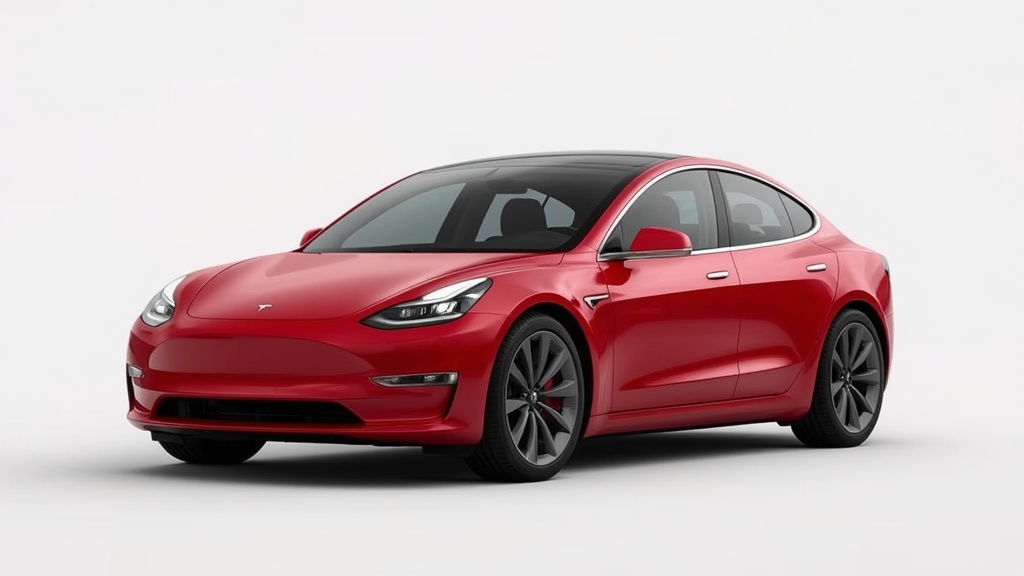
The Q2 2026 numbers are in, and they're genuinely difficult to dismiss. Tesla delivered 480,126 vehicles in the quarter, a 25% year-over-year increase that blew past Wall Street estimates sitting somewhere in the 400,000 to 408,000 unit range. That's not a small beat. That's 70,000 units above the high end of consensus.
Two Years of Declining Deliveries, Gone
The stat worth sitting with: Q2 2026 ended two years of annual delivery declines. That's the kind of trend reversal that's hard to achieve quietly. Whether you want to credit lower-cost Model 3 and Model Y variants, the European rebound, or something else, the direction changed. And it changed by a lot.
There's a wrinkle in the production data worth noting. Tesla produced 451,758 vehicles in Q2 while delivering 480,126. Deliveries exceeded production, which means they worked down existing inventory to hit those numbers. That's not necessarily a red flag (inventory drawdowns happen), but it does add context. The quarter's delivery count wasn't built entirely on fresh production.
Europe Finally Moved
The European rebound is the part I find most interesting. European sales had been sluggish for the better part of a year, and Q2 apparently reversed that in a meaningful way. Two things seem to have contributed: Shanghai Gigafactory export volume picking up for European markets, and Giga Berlin continuing to ramp production. Tesla also expanded FSD availability into select European markets during the quarter, which may have shifted some fence-sitters.
FSD in Europe has been a regulatory long game. Getting approvals market by market is slow, but it's the kind of feature that actually differentiates Tesla from other EVs in a way that charging speed or cargo volume doesn't. This could mean more European buyers were waiting specifically for that capability. One possibility is that we'll see continued gradual expansion through the rest of 2026.
The Lower-Cost Models Matter More Than They Sound
Tesla introduced lower-cost versions of the Model 3 and Model Y during Q2. I'd argue this was the most straightforward explanation for the volume jump. Lower entry price means more buyers qualify, more buyers convert. The Model 3 and Model Y made up the vast majority of Q2 production, so these are the vehicles driving the numbers in every meaningful sense.
The question (one the delivery report doesn't answer) is what those lower-cost configurations did to margins. Higher volume at thinner margins is a trade-off, not a pure win. But volume is what the delivery numbers measure, and on that metric Q2 was strong.
What It Actually Means
A 25% year-over-year increase that beats estimates by 18% or more isn't something you hand-wave away. The delivery decline trend that ran through 2024 and 2025 is now, at minimum, interrupted. Whether Q3 continues the trajectory depends on whether the factors driving Q2, lower prices, European regulatory progress, inventory management, hold up or represented a one-quarter surge.
But for right now, the number is 480,126. And that's a number worth acknowledging.
Source: Teslarati