The 2026 Model Y Base Trim Is a Compromise. Here's What You're Actually Getting
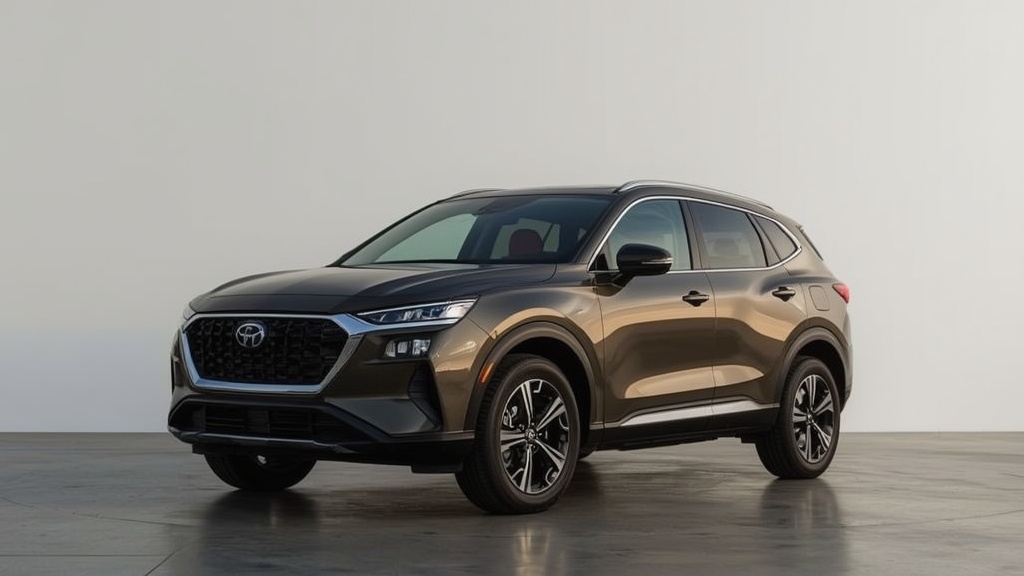
The 2026 Model Y starts at $41,630 for the rear-wheel-drive version. That's the number Tesla leads with, and it sounds reasonable until you start reading the fine print on what that buys you.
I've been following the Model Y refresh closely, and the base trim tells an interesting story about how Tesla thinks about trim differentiation. Short version: they held back more than you'd expect.
The Refresh Is Real, But Not Equal Across Trims
The 2026 Model Y got a comprehensive makeover. New front end, Cybertruck-inspired styling, the works. But here's the catch: the base RWD doesn't get the Cybertruck-like front light bar and chiseled chin that higher trims do. So if you're buying partly for the new look, you're not getting the full picture at $41,630.
You're also rolling on 18-inch steel wheels with aero hubcaps. The 19-inch alloys cost $1,500 extra. And according to EPA estimates, that upgrade costs you nearly 20 miles of range. So the prettier wheel situation actually makes your car worse at the thing EVs are most judged on. It's a choice, I guess.
What's Missing at the Base Price
The list of omissions is worth reading before you configure. No ventilated front seats. No heated rear seats. No full speaker system. Manual steering column adjustment. Manual rear seat folding. These aren't obscure luxury items, these are things you'll notice every time you park in the summer or have rear passengers in winter.
The 15.4-inch center touchscreen is still there, and it's still the main interface for everything. But there's still no wireless Android Auto or Apple CarPlay. That's a real omission in 2026. It's the one area where Tesla's "our software is better" argument feels thinner every year as competitors close the gap on other stuff while offering CarPlay as standard.
The Numbers That Actually Matter
Here's where the base Model Y earns its keep. The 70-kWh battery and 300 horsepower produce 321 miles of EPA-estimated range and a 0-60 time of 5.9 seconds. That's not exciting on paper, but 321 miles covers most real-world needs without anxiety.
At 75 mph highway, the AWD version travels about 240 miles on a charge. The single-motor is estimated at around 260. Worth knowing if you're a road tripper. The 44-minute window from 10 to 90 percent on DC fast charging is solid, not class-leading, but solid.
Cabin noise at 70 mph measured 25 sones. That's a real number, not a vibes-based assessment, and it tells you the highway experience is reasonably refined.
The chassis work is good. 0.86 g of lateral grip and a 174-foot stop from 70 mph. And in a 50-to-70 mph passing test, the Model Y RWD was a full second quicker than the Toyota bZ. That matters more day-to-day than 0-60 drama.
The FSD Situation Changed
FSD used to cost $8,000 as a standalone option. Now it's free for the first 30 days, then $99 per month. For most buyers, this is better. You're not betting $8,000 on a feature you haven't tried. You try it, decide if it's worth $99/month, and go from there.
The system itself is still the gold standard for Level 2 autonomy, which is a meaningful claim. FSD's Hurry mode keeps the car positioned naturally within traffic flow rather than creeping along like it's afraid of the road. But "gold standard of Level 2" is still Level 2, meaning you're supervising it the whole time. Manage expectations accordingly.
Model Y vs. The Competition
The Model Y is still the bestselling EV in the world and the top-selling vehicle on US sales charts through Q1 2026. Those numbers don't happen by accident. The Toyota bZ, probably the most credible current competitor, now supports the NACS charge port and has access to Tesla's Supercharger network. That's a legitimately good development for the industry. But the bZ is still a full second slower in passing situations, and it shows.
Pearl White paint runs $1,000 extra. Diamond Black is $1,500. Neither is cheap for paint, but that's where the market is now.
Who Should Buy the Base?
If you drive solo, don't do highway road trips regularly, and genuinely don't care about ventilated seats, the base RWD at $41,630 is a defensible choice. The range is real, the performance is adequate-to-good, and the core Tesla software and charging experience are still better than most of the competition.
But if you're in a hot climate or you have rear passengers regularly, skip the base. The missing heated rear seats and ventilated fronts aren't luxury, they're basic comfort. And you probably want the full design with the light bar anyway, so check what trim level that requires before you configure.
The Model Y remains the right answer for a lot of buyers. Just know which version of the right answer you're actually getting.
Source: Caranddriver