After 14 Years, the Model S Is Gone. Optimus Is Moving In.
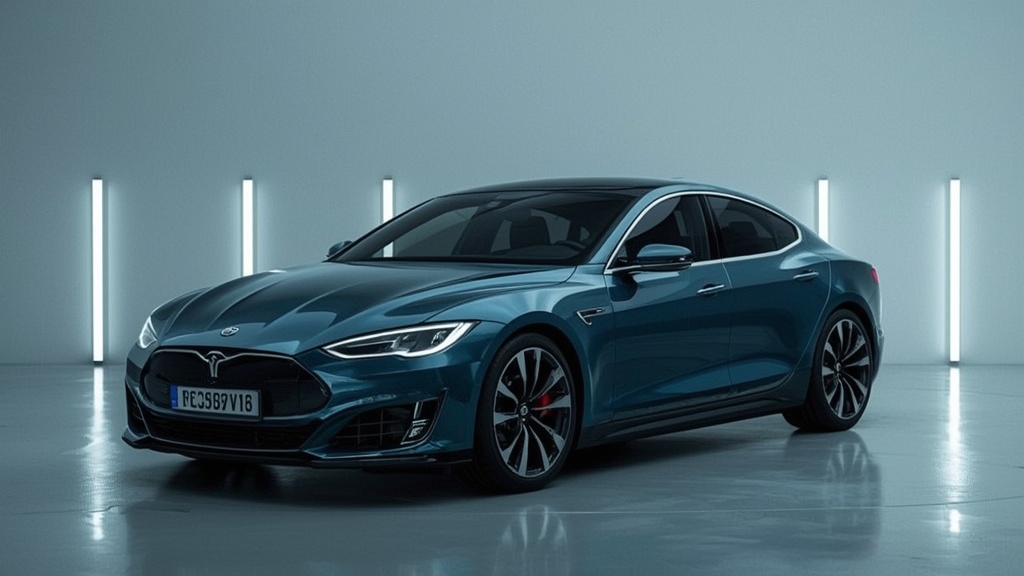
The last Model S and Model X rolled off the Fremont line in early May 2026. Tesla announced the end during the Q4 2025 earnings call back in late January, so nobody should have been caught off guard. But I've been following this company long enough that watching it actually happen still felt like something.
610,000 units total over the life of the program. Model S production at Fremont started in 2012, so that's 14 years. And in the final stretch, they were selling around 30,000 combined per year. That's not nothing, but it's also not the kind of volume that justifies dedicated floor space when something else needs the room.
Optimus Is Now a Fremont Core Product
Tesla's Fremont Factory page now lists Optimus alongside Model 3 and Model Y. Not buried in an investor presentation. Not described as a research initiative. A core product, sharing factory billing with the two vehicles that actually move the company's numbers.
Model 3 and Model Y manufacturing at Fremont is unaffected. The Optimus conversion specifically took the floor space freed up by Model S and Model X. If you're waiting on a delivery, this doesn't change your timeline. That's the practical part that matters for most people reading this.
The Model S Was the Proof of Concept
I realize it's easy to move on. But the Model S launched a company. It was the car that proved Tesla could build something real, not a modified Lotus with a battery pack stuffed in it. Everything that came after, including whatever's sitting in your garage right now, exists because the Model S worked.
610,000 over 14 years averages out to roughly 43,500 per year, though the final years came in well below that peak. At 30,000 combined by the end, keeping the line running stopped penciling out. That's a rational call. And it's still the end of something that mattered.
Meanwhile, NHTSA Is Looking at That Texas Crash
Separately from the Fremont news, NHTSA is investigating a Texas Model 3 crash to determine whether Autopilot played any role. Ashok Elluswamy, Tesla's head of AI, stated publicly that the driver manually overrode self-driving by pressing the accelerator to 100%. The car reached 73 MPH, and the accelerator was still pressed after the crash.
Elon Musk's position is that FSD operates slowly through neighborhood streets and doesn't run at high speeds in residential areas. The NHTSA investigation will presumably test exactly that claim.
I'd hold off on strong conclusions here. In a prior Harris County crash that got heavy media coverage, NTSB found no Autopilot use at any point. Accelerator application reached 98.8%, peak speed was 67 MPH in a 30 MPH zone. No Autopilot, and still a catastrophic outcome driven entirely by the human at the wheel. This current investigation may resolve the same way. Or it may not. I'll follow up when there's something definitive to say.
Source: Teslarati