Austin Robotaxis Finally Running After Dark
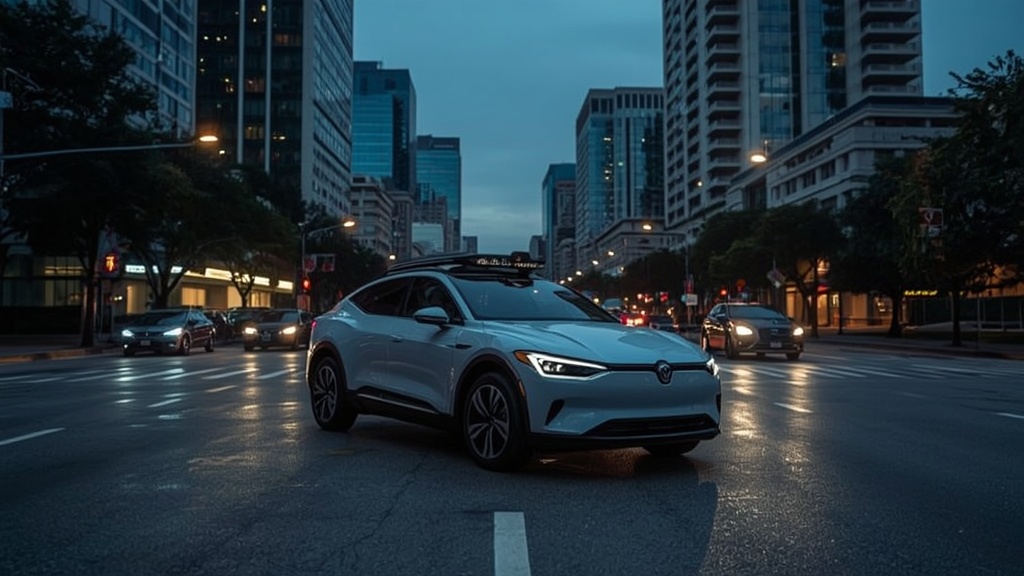
Something changed in Austin on May 4, 2026. Tesla's Robotaxi fleet there started running unsupervised into the evening hours for the first time. If you've been following the rollout, you know that Austin was previously limited to mid-afternoon cutoffs for driverless operation. That's a meaningful shift, even if it sounds like a minor scheduling tweak.
Why the Time Window Matters
Unsupervised autonomous driving in daylight is one thing. Evening operation is a different challenge. Lower light conditions, more pedestrian activity in urban areas, different traffic patterns. The fact that Tesla feels confident enough to extend Austin's hours into the evening suggests the system has accumulated enough real-world data from Austin's streets to handle it.
Dallas and Houston have been running evening unsupervised routes since their initial launches in April 2026. Austin took longer to get there. Whether that's because of infrastructure, regulatory approvals, or just data collection thresholds, I don't know. But Austin is now in the same tier as the other two Texas cities.
The Fleet Is Growing Too
Dallas and Houston didn't just get expanded hours earlier, they've also recently received additional unsupervised vehicles added to their fleets. So those two markets are scaling in two dimensions: more hours and more cars. Austin getting evening operation puts it on a similar trajectory, though we don't know yet if vehicle additions are coming there too.
And this is where the pure vision approach becomes relevant. Tesla's Robotaxi system runs entirely on neural networks with no lidar and no pre-mapped routes. That's a fundamentally different architecture than most competitors. It means adding capacity to a new area doesn't require someone going out and mapping every road first. This could mean scaling is genuinely faster for Tesla once a city clears whatever initial thresholds are required. One possibility is that Austin's extended hours are partly a reflection of that system learning faster than a mapped approach would allow.
What's Coming Next
Tesla has announced Robotaxi expansion to Phoenix, Miami, Orlando, Tampa, and Las Vegas during the first half of 2026. That's five more cities before June. Given that Dallas and Houston launched in April and are already adding vehicles, the timeline is moving quickly (at least by automotive standards).
Phoenix and Las Vegas are both high-sunshine markets, which presumably makes the vision-only approach more straightforward. Miami, Orlando, and Tampa are interesting picks because Florida weather is more variable. If the system works well there, it tells you something about how the neural net handles inconsistent conditions.
The Honest Take
I'm cautiously interested in how this develops. The technology is legitimately different from what other AV companies are doing, and the expansion pace suggests it's working well enough to keep pushing forward. But "unsupervised" covers a wide range of real-world reliability, and we don't have granular data on disengagement rates or incident frequency.
Evening hours in Austin is a real milestone. And if the next few months of expansion go smoothly across five more cities, that will tell us a lot more than any spec sheet about whether this approach actually works at scale.
Source: Teslarati