Nevada Just Handed Tesla a Real Robotaxi Permit
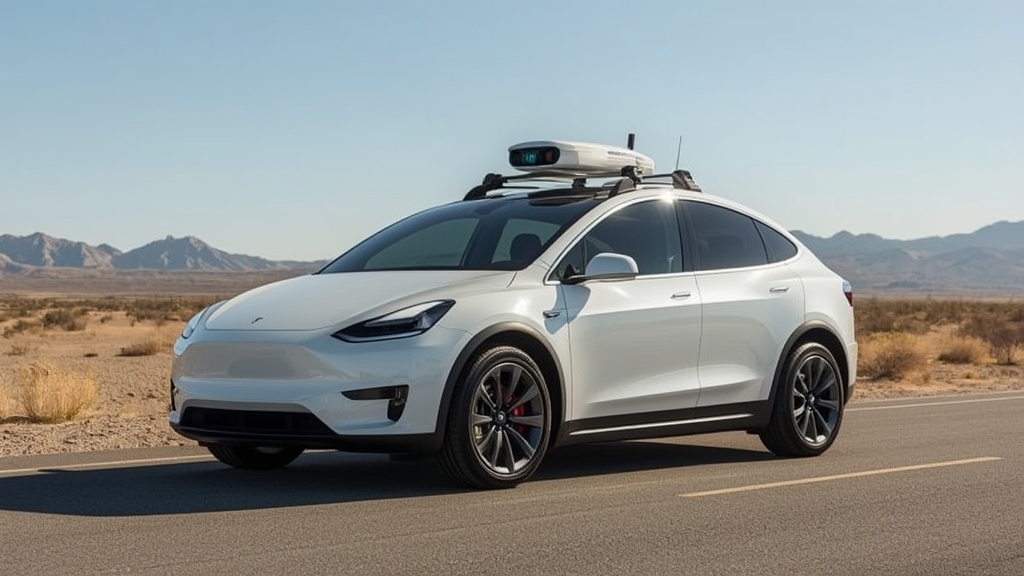
On August 20, 2026, the Nevada Transportation Authority approved Tesla's full Autonomous Vehicle Network Company permit. Not a pilot program. Not another narrowly scoped interim order. A permit for up to 5,000 driverless vehicles across Clark County, with the option to request a statewide geofence expansion on top of that.
To understand why this matters, you have to know what came before it.
The Old Permit Was a Cage
Tesla's previous Nevada authorization covered 10 robotaxis. Ten. On a narrow stretch of the Las Vegas Strip, with a 45 mph speed ceiling, no airport pickups, and a geofence that barely left the resort corridor.
That's not a commercial operation. That's a controlled demo. Whatever data Tesla collected from that program was real, but the scope made any meaningful scale impossible. I kept watching this one because the gap between "10 Strip vehicles at 45 mph" and "actual robotaxi business" seemed enormous.
The new permit closes most of that gap.
What Changed
The new permit extends Tesla's operating authority to all of Clark County, covering Las Vegas, Henderson, North Las Vegas, and surrounding areas. The old restrictions (45 mph cap, no airport, Strip-only geofence) came from the interim order that no longer governs. And the fleet ceiling goes from 10 vehicles to 5,000 over the next 12 months.
Tesla filed for this expanded permit in June 2026. Approval came about two months later. That's not a slow regulatory process by any standard.
And the permit isn't the ceiling. Nevada left room for Tesla to request an even wider geofence covering the entire state.
When Rides Actually Start
Commercial rides aren't live yet. Tesla still needs to clear vehicle inspections, file insurance, and get fare approval. These are administrative steps, not technical ones. The expected window is within 30 days of the August 20 approval, which puts a Nevada launch squarely in September 2026.
That's also when Tesla is targeting Cybercab rides opening to the public in Austin. Tesla even ran a sweepstakes for early riders at the Austin launch event, so the rollout is clearly being positioned as a moment, not a quiet expansion. Two markets going live simultaneously is a different story than one carefully managed pilot.
FSD v15 Is the Real Constraint Here
This is the part I keep coming back to. The permit says Tesla can deploy up to 5,000 vehicles. How many actually hit the road depends on FSD v15.
Tesla executives have described v15 as the software version that enables scaling unsupervised robotaxi operations nationwide. The permit removes the regulatory ceiling. The software sets the practical one. This could mean the Nevada fleet stays in the hundreds for months even with 5,000 slots available. Or v15 ships broadly in Q4 and Tesla moves fast. Nobody outside Tesla knows which it is yet.
One possibility is that Nevada becomes the clearest real-world test of whether v15 actually delivers what Tesla says it does. A county-wide deployment with no speed ceiling and no geographic restriction will tell us more than the Strip pilot ever could.
Why This Goes Beyond Vegas
Going from 10 Strip-restricted vehicles to 5,000 county-wide is a genuine change in operating scale. But the more interesting number is the statewide expansion option. Nevada is setting up a regulatory framework that could cover the whole state, and Austin is running in parallel.
If both markets work through Q4, the case for expansion into other states gets easier to make. Regulators look at what other regulators approved. That's the actual stakes here, not the permit headline itself.
For now, the paperwork is done. The software is what we're waiting on.
Source: Teslarati