Texas Just Authorized Tesla's Robotaxi. Here's What the Self-Certification Model Actually Means.
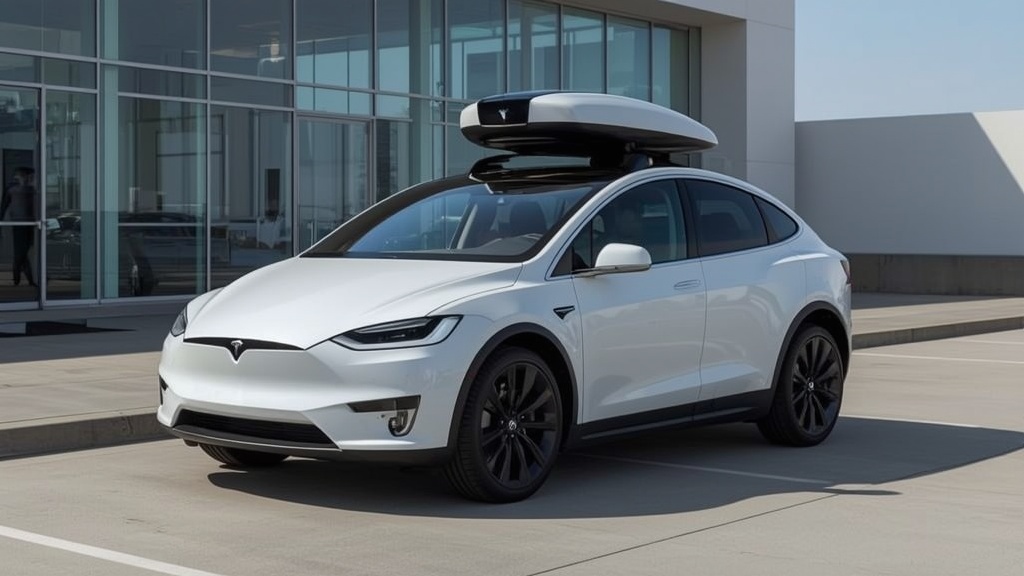
On May 28, 2026, the State of Texas officially authorized Tesla to operate driverless vehicles commercially. Same day, Cybercab units were filmed driving themselves off Gigafactory Texas without anyone behind the wheel. That's either a well-timed PR moment or the most literal possible demonstration that the hardware is ready. Probably both.
What Texas Actually Authorized
Texas Senate Bill 2807, passed by the 89th Legislature, created a statewide regulatory framework for automated vehicle commercial operation. The framework covers SAE Level 4 and above, for both passenger transport (that's the Robotaxi use case) and freight. It applies statewide, which matters because a patchwork of city-level rules has tripped up other autonomous vehicle programs in other states.
Under this framework, companies operating driverless vehicles need to comply with traffic laws, maintain registration and insurance, use a compliant automated driving system, and record onboard activity. And that's basically it. No agency approval required before you start.
The Self-Certification Part (Worth Paying Attention To)
Tesla self-certified its Robotaxi software as SAE Level 4 autonomous. The Texas framework explicitly allows this. Companies can certify their own vehicles and tech without needing a third-party agency sign-off, as long as they meet the compliance requirements above.
This is the part that will generate the most debate, and I think the criticism cuts both ways. On one hand, self-certification sounds like "we said it's fine, so it's fine." On the other hand, the alternative is waiting years for regulatory bodies that don't always have the technical expertise to evaluate the systems they're approving. The liability structure is what actually creates accountability here. If something goes wrong, the certification is on Tesla. That's a real incentive to be accurate.
But I'd be lying if I said I wasn't curious what the recorded onboard activity requirement looks like in practice. That detail will matter a lot if there's ever an incident review.
What the Factory Footage Actually Tells Us
Mass production of the Cybercab started at Gigafactory Texas in April 2026. So when cars are rolling off the line and driving themselves off the property on May 28 without a driver, that's not a prototype stunt. These are production units operating under a freshly authorized commercial framework.
That's a meaningful data point. It means the hardware is at production scale and the software was ready to use the day authorization dropped. Whether you're optimistic or skeptical about Tesla's autonomous timeline, you have to acknowledge the coordination there is real.
What This Means If You're Waiting for Robotaxi Service
Texas is the first state with this kind of statewide framework specifically tailored to Level 4+ commercial operation. The Cybercab is in production. The authorization is live. The remaining question is how Tesla rolls out actual service, what the pricing looks like, and what geographic coverage looks like on day one versus six months in.
None of that is answered yet by these facts. But the legal and production foundations are now in place in a way they weren't 30 days ago. That's a real change in status, not just a press release.
I'll be watching closely for when Tesla announces actual service availability dates and markets. That's when this goes from "authorized" to "real."
Source: Teslarati