Tampa and Orlando Now Have Tesla Robotaxi, and the Rides Are Fully Driverless
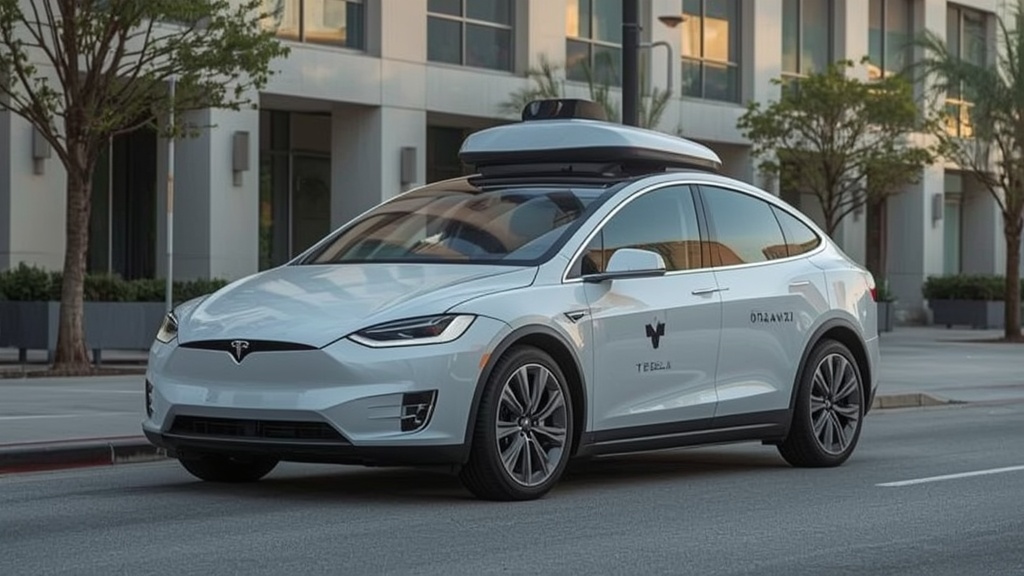
Tesla expanded its Robotaxi program to Tampa and Orlando today (July 21, 2026), making them the second and third Florida cities with the service after Miami. What makes the Florida expansion worth paying attention to isn't just the new markets. These rides are unsupervised. No safety driver. No one assisting in the passenger seat. Just the car, the software, and whoever booked the trip.
The Geofences Are Limited, Which Is Fine
Neither city is blanketing the whole metro. Orlando's coverage covers roughly 25 to 45 square miles in central and southern parts of the city, bounded by SR-417 and SR-528. Tampa is more neighborhood-specific: West Tampa, Tampa Heights, Hyde Park, and downtown Tampa along the Hillsborough River corridor.
But that's how Tesla has rolled this out everywhere. Austin launched first in June 2025. The Bay Area followed in July 2025. Dallas, Houston, and Miami came along as the network expanded. Each market starts small and presumably grows as confidence builds. Orlando and Tampa fit that pattern.
California Is a Different Story
Tesla's Bay Area service uses Model Y vehicles with Full Self-Driving (Supervised), which means a human safety driver is in the car. That program also expanded today, adding San Francisco International Airport to its coverage area. Tesla already has San Jose Mineta Airport in the Bay Area geofence (added in late 2025) and holds an SFO limousine permit effective through January 31, 2027.
The contrast between California (supervised) and Florida (unsupervised) is the thing I'm watching. Whether that gap reflects different regulatory environments, different confidence levels in the software, or some combination of both, I genuinely don't know. But Tesla is clearly not treating every state the same way, and that distinction matters.
Cybercab Is Still Coming
The current Robotaxi fleet runs on Model Y. Cybercab is in production at Gigafactory Texas and is planned to operate alongside Model Y in the fleet. Tesla also confirmed on July 20 that Cybercab will integrate Starlink V5 terminals, primarily for fleet management, navigation, and customer service. Not passenger entertainment. Ashok Elluswamy specifically noted that Starlink connectivity isn't required for the vehicle to operate safely, which is the right design priority. You don't want a connectivity dependency in the critical path of safe operation.
Cybercab coming off production lines means the Robotaxi fleet can scale without pulling Model Y inventory from retail. That's probably the more consequential long-term development, even if today's expansion headlines are getting more immediate attention.
The Summer Update Also Dropped Today
Tesla revealed the 2026 Summer Update on July 21, and there's a reasonable amount here. Self-Driving Stats are coming to the mobile app. Caraoke now has scoring (yes, competitive karaoke in your Tesla). Automatic Navigation can suggest and route to regularly visited places beyond just Home, Work, and calendar events. You can also set your preferred arrival energy from the mobile app before you leave the house, which is genuinely useful for trip planning.
Grok got a capability bump too. The voice assistant can now make phone calls, search and play music, adjust climate, open the glovebox, and answer vehicle questions. And navigation can finally find Superchargers by name when you're searching for a destination. Small thing. Should have existed for years.
The Spring Update earlier this year brought Hey Grok voice assistance, a redesigned self-driving app, and Unreal Engine visual upgrades. The update cadence is clearly accelerating.
Where the Network Stands Now
As of today, Tesla Robotaxi operates in seven markets: Austin, Dallas, Houston, Miami, Orlando, Tampa, and the San Francisco Bay Area. That's a real footprint. Not a coast-to-coast service, but not a single-city test anymore either. If Florida's unsupervised rides build a clean track record, the regulatory case for removing safety drivers in California gets easier to make. One state's results feed the next state's approval process.
The expansion is moving. The question now is how fast the geofences grow within each existing city, and which new markets come next.
Source: Teslarati