Tesla Is Open-Sourcing the Model S and X. Here's What That Actually Means.
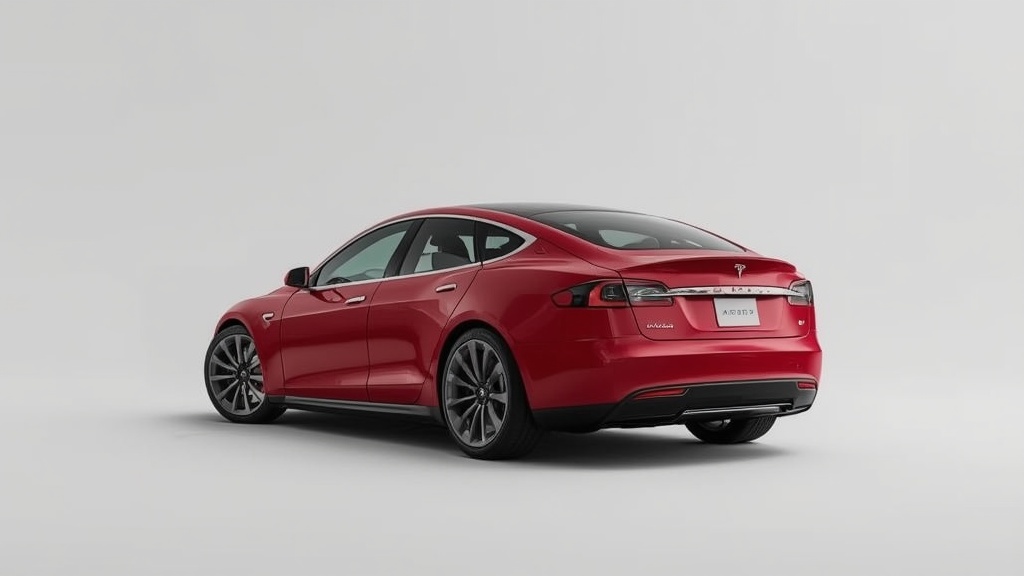
On July 24, Elon Musk announced that Tesla plans to open-source the design and software of the Model S and Model X. The timing makes sense. Tesla wound down Model S and Model X production in Q2 2026, custom orders have already closed, and the remaining inventory is just what's left on lots. The cars are done. Open-sourcing them now costs Tesla nothing and might buy some goodwill from the community that's been keeping these vehicles running.
A Bit of History Worth Keeping in Mind
The Model S launched in 2012 as Tesla's first mass-produced vehicle. It basically proved that an EV could be something people actually wanted. The Model X followed in 2015, complete with those falcon-wing doors that generated strong opinions (still do). Together, the two models carried Tesla for years before the Model 3 changed the company's scale entirely. That's a 14-year run for the Model S. Not bad.
Tesla has done this before. In November 2023, they open-sourced the original Roadster, releasing the design, engineering, and diagnostic materials. The Model S and X release covers design and software, so slightly different material than the Roadster package, but the same general idea: close the chapter, hand the information to the people who still care about the hardware.
Why This Matters If You Own One
The practical concern for anyone with a Model S or Model X in their garage is what happens over the next decade. Parts availability, third-party diagnostics, repair access. Open-sourcing the design and software doesn't solve all of those problems automatically. But it gives independent shops and the enthusiast community the actual specs to work from instead of reverse-engineering around them. That's worth more as these vehicles age.
What Tesla Is Building Instead
The Fremont factory space that previously handled Model S and Model X production is now being redirected toward Optimus humanoid robots and the Cybercab autonomous vehicle. And the Robotaxi program is already running. At the Q2 2026 earnings call, Tesla VP of AI Ashok Elluswamy confirmed the program has completed more than 380,000 miles of unsupervised ride-hailing across six cities in two states, with zero notable incidents.
That number will raise some eyebrows given the years of skepticism around Tesla's autonomous driving claims. But 380,000+ miles of unsupervised operation without a notable incident is a real data point. The system runs on cameras only, without LiDAR, radar, or HD maps. Tesla's position has always been that a vision-only system trained on real-world data can outperform sensor-heavy approaches. The mileage record is at least consistent with that argument.
What I Think This Is
The open-source announcement is a clean way to close a chapter. Tesla isn't going to maintain Model S and Model X software indefinitely. Releasing the design and software hands that responsibility to the community and positions Tesla generously on the way out. It's the same playbook they used with the Roadster in 2023.
For current owners, this is genuinely useful news. For anyone watching Tesla's product direction, the more interesting story is the Robotaxi mileage milestone and what comes next with Cybercab. The S and X era is over. What Tesla is building in that freed-up factory space is the part still being written.
Source: Teslarati