Tesla's Auto Wipers Are Getting a Real Fix, and the Engineering Is Actually Interesting
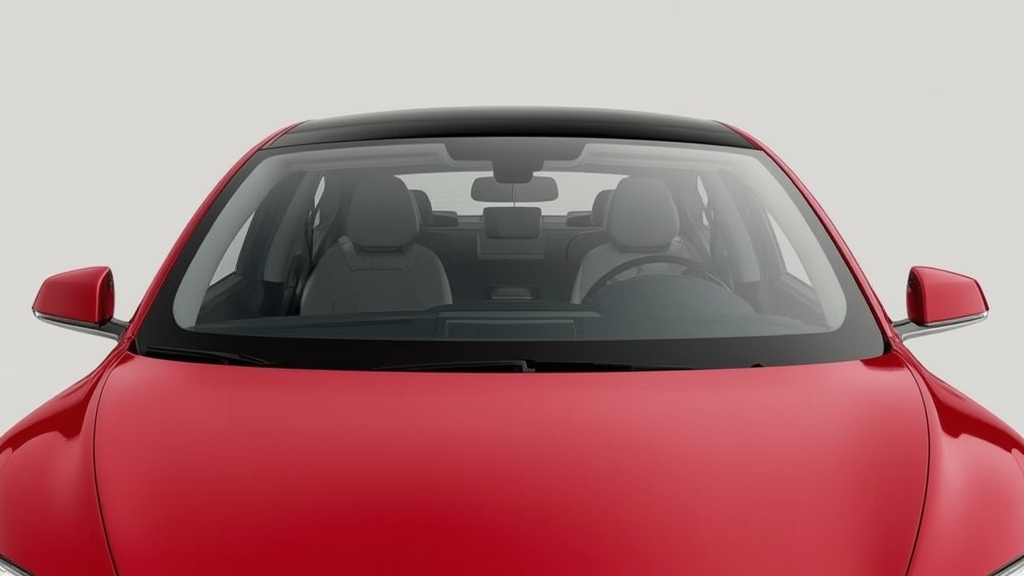
Auto wipers on Tesla have been a running joke for years. After Tesla ditched traditional rain sensors around 2018 and went camera-only with Tesla Vision, the system worked well in heavy rain and not much else. Light drizzle? Manual mode. Mist? Manual mode. The 2023 Autowiper v4 update added multi-camera video and neural networks, which helped. Then 2024.14 let owners manually boost sensitivity because, implicitly, the automatic mode still wasn't reliable enough. That's not a solution. That's an admission.
So when a senior Tesla AI engineer, Yun-Ta Tsai, confirmed on April 10, 2026 that a major OTA update had gone out improving Auto Wiper accuracy across the fleet, I paid attention. And then I read the patent behind it.
What They're Actually Doing Now
Patent US 20260097742 A1 describes what Tesla calls an "energy balance model." The idea is to add physics-driven motor-load sensing on top of the existing camera-based system, with no new hardware required.
Here's how it works in practice. The system measures the electrical power going to the wiper motor. Wet glass has low friction, meaning the motor runs easy. Dry glass has higher friction. Icy glass has even more. By tracking that load data over time, the system can tell whether the glass is wet (wipers should activate), dry (they shouldn't), or icy (something else entirely is going on).
That's genuinely clever. Cameras are good at detecting rain on the windshield, but they can be fooled by glare, darkness, or the brief gap between wipe cycles. Motor load sensing fills those gaps with physical reality instead of inference.
Two Features Worth Calling Out
The ice detection angle is the one I find most useful. If the system detects high friction consistent with ice buildup, it can automatically activate the defrost heaters. That's the kind of integration that makes living with a car easier without you having to think about it.
The other feature is blade wear tracking. Because the system monitors friction trends over time, it can tell when the rubber is degrading and alert you before the blades are leaving streaks everywhere. I've definitely put off wiper blade changes longer than I should because I forget. Having the car tell me is better than having the car remind me via ruined visibility in a downpour.
Why It Took This Long
Tesla made a bet on cameras over dedicated sensors, and for wipers specifically, that bet took years to pay off. The Autowiper v4 neural network approach in 2023 was the right direction. But apparently even that wasn't quite enough, which is why 2024.14 punted to manual sensitivity controls as a bandaid.
Adding motor load sensing to close the loop makes sense. It's not replacing the camera system, it's giving it physical ground truth to check against. That's good engineering. The fact that it required no hardware changes means existing owners get the benefit in software, which is the whole point of OTA updates.
I haven't had a chance to test this in actual rain yet since the update dropped. But the approach is solid and the underlying physics are real. After years of this being one of the most reliable complaints about Tesla ownership, I'm cautiously optimistic that this one actually sticks.
We'll see.
Source: Teslarati