Tesla's Austin Robotaxi Service Just Doubled Its Coverage Area
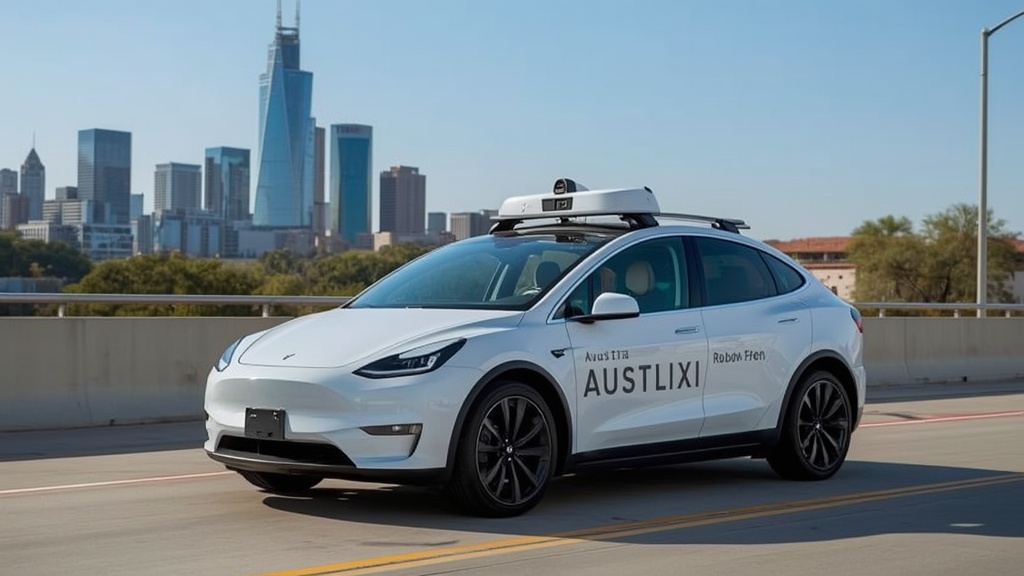
Tesla expanded its unsupervised robotaxi service to cover the entire Austin metro area. That means Pflugerville, Manor, I-35 corridors, Gigafactory Texas, and Austin-Bergstrom Airport are all now inside the operational zone. It's the fifth geofence expansion since the service launched, and it's the biggest one by far.
Five Expansions, One Long Pause
The cadence tells an interesting story. Tesla ran four expansions in rapid succession: July 2025, early August, late August, and late October 2025. Then nothing. The geofence sat at that late October boundary for months, which started to feel like either a deliberate hold or a sign something needed sorting out.
This latest expansion more than doubled the covered area. That's not incremental. Going from "parts of Austin" to "the whole Austin metro" in a single move suggests Tesla had been running validation work for a while before flipping the switch.
About That Fleet Size
Here's where I'd pump the brakes a little. There are approximately 20 unsupervised robotaxis operating in Austin right now. On May 13, 2026, there were 27 in Austin out of 39 total unsupervised Teslas in operation anywhere. Those are small numbers.
A bigger geofence with 20 cars means less density, not more coverage in any practical sense. If you're in Pflugerville hoping to hail one, your odds of a robotaxi being nearby are still pretty low. The zone expanded faster than the fleet did.
But that could be intentional. Expanding the operational area first, then filling it with vehicles, is a reasonable way to structure a rollout. And Tesla needs data from the new zones before scaling the fleet into them with any confidence.
What This Actually Means for Austin
The practical wins are real, even with a thin fleet. Gigafactory Texas being inside the zone is useful for employees commuting to and from the site. Austin-Bergstrom Airport coverage is a legitimate use case (airport runs are a staple of ride-hail demand). And I-35 access connects north and south Austin in a way that matters for actual trips people want to take.
This could mean Tesla is preparing to add vehicles now that the zone is set. One possibility is the long pause after October was about working through operational issues, and this expansion signals they're confident enough to grow again. But that's reading tea leaves.
Where Things Stand
Five geofence expansions in under a year is a real pattern of progress. The fleet is still tiny, the coverage just became meaningful, and Austin remains the only city where any of this is operating. Whether Tesla can convert a promising local pilot into something scalable is still an open question.
For now: the zone is wide, the fleet is thin, and the data collection is presumably running around the clock.
Source: Cleantechnica