Tesla's Production Cybercab Is On Austin Roads Today. No Steering Wheel, No Pedals.
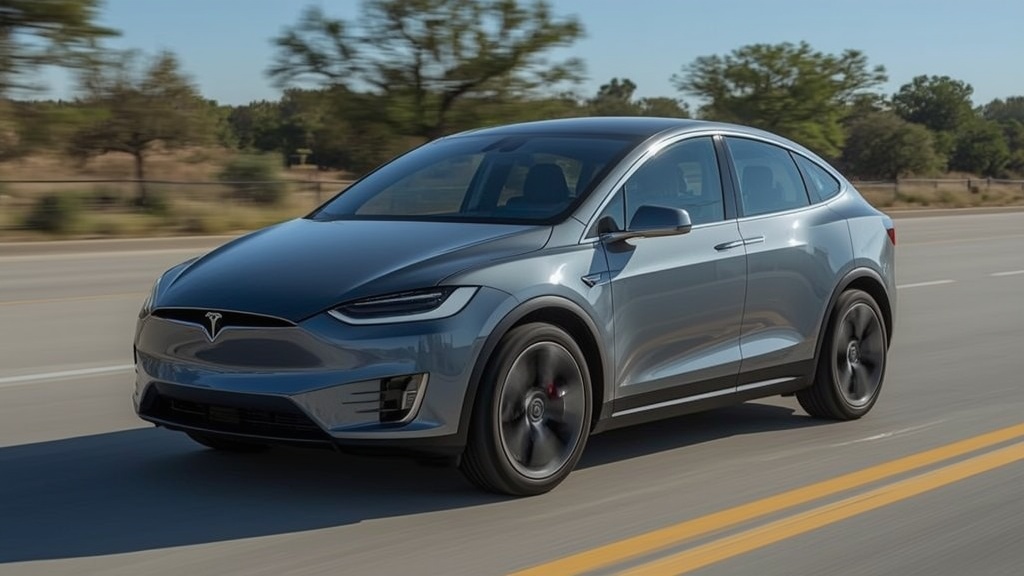
As of today, June 30, Tesla has sent the first production Cybercab units onto public roads in Austin for on-road testing. Not engineering mules with safety drivers. Actual production vehicles, manufactured without a steering wheel or pedals, on real streets.
That distinction matters more than it might seem.
What "Production" Means Here
The Cybercab has been in production at Gigafactory Texas since April 2026. What's hitting Austin streets today came off that same line. And unlike the engineering and test vehicles Tesla also operates (which do have steering wheels, brake pedals, and acceleration pedals, along with Safety Monitors on board), the production versions have none of that hardware.
Tesla's own First Responders Guide spells out the difference directly: a Cybercab equipped with a steering wheel and pedals is "typically an engineering or test vehicle, and operates at SAE Level 2 autonomy." The production units, with no manual controls at all, are what Tesla self-certified as SAE Level 4.
That self-certification is worth pausing on. Tesla didn't get a third party to hand them a Level 4 badge. They certified it themselves. Whether you find that reassuring or concerning probably depends on how much trust you put in Tesla's testing processes at this point.
The EPA Cleared It for Commerce
What's less ambiguous is the regulatory piece. The EPA awarded the Cybercab a Certificate of Conformity, which is what allows it to legally enter the stream of commerce. That's not the complete regulatory picture for a driverless vehicle. But it means the car exists as a legal product, not just a demo.
Tesla Did the Unsexy Infrastructure Work Too
One thing that usually gets buried in robotaxi coverage is what happens when something goes wrong on the street. Tesla published a First Responders Guide for the Cybercab that gives emergency services 24/7 access to a Robotaxi Assistance line. The guide also covers geofencing features that can redirect autonomous vehicle traffic around accidents, road closures, construction, or maintenance.
That's the kind of operational detail that actually matters for real deployment. First responders arriving at a scene don't want a driverless car blocking access with no obvious way to move it. Tesla built a system for that. And they published the documentation before the cars were on public roads. That's how it should work.
What Comes Next
On-road testing in Austin is not a commercial launch. These vehicles are testing, not picking up passengers for revenue rides yet. But the trajectory is clear. Production is running at Giga Texas, the EPA cleared the platform, and the emergency response documentation is already out.
This could mean a commercial launch comes faster than most people expect. Or Tesla hits some real-world edge case during testing that adds months to the timeline. Autonomous vehicle programs have a long history of "almost there" moments that weren't.
But today, production Cybercabs with no steering wheels are driving through Austin. That's a first.
Source: Teslarati