Tesla's Robotaxi Charging Hubs Are Taking Shape in Five Cities
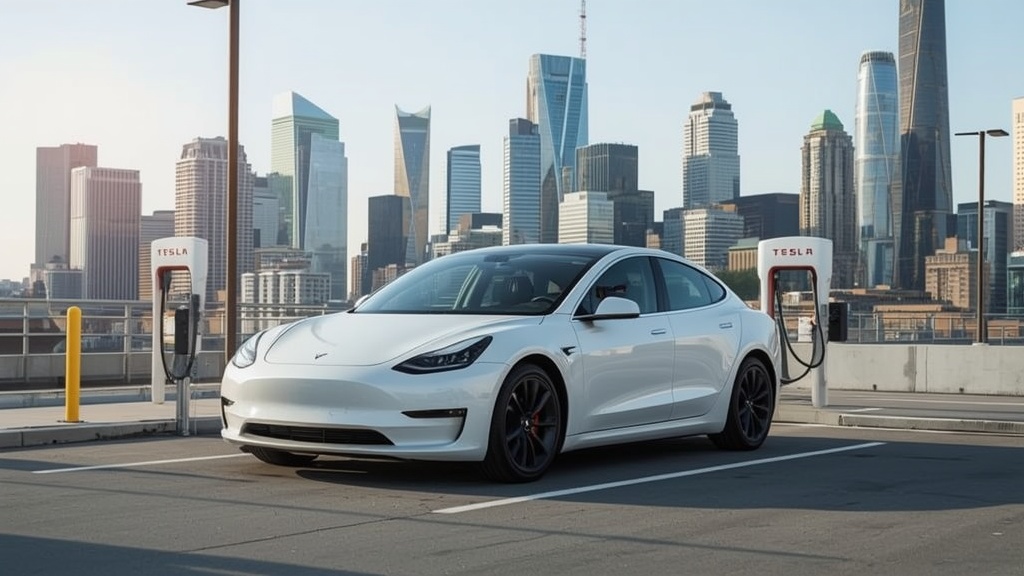
Tesla filed permits for a dedicated Robotaxi charging hub in Austin, Texas, and the plans show something more interesting than a pile of Superchargers. This is infrastructure for a commercial autonomous fleet, and Austin is the first city where we can actually see what Tesla is building.
What Austin's Hub Actually Looks Like
The lot sits across from the St. Elmo Service Center, with about 128 total parking spots. Phase 1 installs 48 V3 Supercharger stalls, which is a lot of fast charging capacity concentrated in one place. But Phase 2 is the interesting part: wireless induction charging for up to 80 additional spots, backed by V4 Charging Cabinets.
The jump from V3 plug-in to wireless isn't just a tech upgrade. Robotaxis don't have human drivers to plug in cables. So if you're running a commercial autonomous fleet at scale, you either automate the plugging process or you eliminate plugging entirely. Tesla is apparently betting on the latter, at least for a significant portion of the capacity.
This Isn't Just Austin
Four more of these hubs are planned: Phoenix, San Antonio, Irving (for the Dallas-Fort Worth area), and Las Vegas. That's a specific list. All Sun Belt cities, high-mileage driving markets, places where autonomous rideshare makes operational sense year-round without worrying about snow complicating the wireless charging pads.
What I find notable is San Antonio showing up separately from the Austin hub. Texas is getting two dedicated Robotaxi charging facilities. That either means Tesla is treating Texas as a primary launch market, or there are fleet operations reasons to have geographically distributed hubs rather than routing everything through one central facility per metro area.
The Timing Lines Up With the Launch
Cybercab is fully autonomous, no steering wheel, no pedals. Tesla employees have been using it for rides internally. The Information reported Tesla was targeting end of August 2026 for the first public launch, and Tesla ran a sweepstakes for public rides with winners announced August 25. One entry method required riding the Robotaxi platform by August 23.
That's this week. Infrastructure permits and launch timelines arriving simultaneously isn't a coincidence. You don't file for a 128-spot dedicated charging hub months before you plan to have vehicles running in a city.
The Wireless Charging Question Nobody's Asking
Phase 2 wireless induction for 80 spots sounds good on paper. But induction carries efficiency losses versus wired connections, and for a commercial fleet running long service hours daily, that adds up. The V4 Charging Cabinets backing the wireless spots are capable hardware, but the real question is how much power actually makes it through the coils at scale.
One possibility: the two-phase structure reflects two different use cases. The 48 V3 stalls handle faster mid-day top-ups when vehicles rotate through quickly. The 80 wireless spots handle slower overnight dwell charging when efficiency losses matter less because there's no time pressure. That would make operational sense even if wireless is slower per-kilowatt.
Tesla hasn't explained the logic publicly. But the structure suggests they've thought through fleet rotation, not just maximum charging speed.
One More Fleet Story This Week
Separate from the Robotaxi news: Einride, a Swedish freight company, ordered 500 Tesla Semis, which Tesla says is its largest Semi order yet. First units arrive in September 2026, deploying across logistics routes in California, New Jersey, Texas, Illinois, and Georgia on Einride's Saga AI fleet platform, serving clients including Amazon. The Semi is built at Tesla's Sparks, Nevada facility, and Tesla unveiled design changes to it earlier this year.
The Einride deal doesn't connect directly to the Robotaxi hubs, but both stories landing in the same week makes a point: Tesla is building commercial fleet operations across two completely different vehicle types at the same time.
Infrastructure Is the Boring Version of the Real Story
Permit filings don't get the attention that sweepstakes announcements do. But a fleet of autonomous vehicles without dedicated charging infrastructure is just a concept. Permitted lots with two-phase buildouts in five specific cities is a plan with actual sequencing behind it.
Whether the Cybercab launch stays on schedule this month, and how fast Tesla expands beyond the initial five cities, will tell us a lot about whether the Robotaxi business is real or still mostly announcement. The infrastructure planning is pointing toward real.
Source: Teslarati