Tesla's Arizona Robotaxi Charger Hubs Raise an Obvious Question
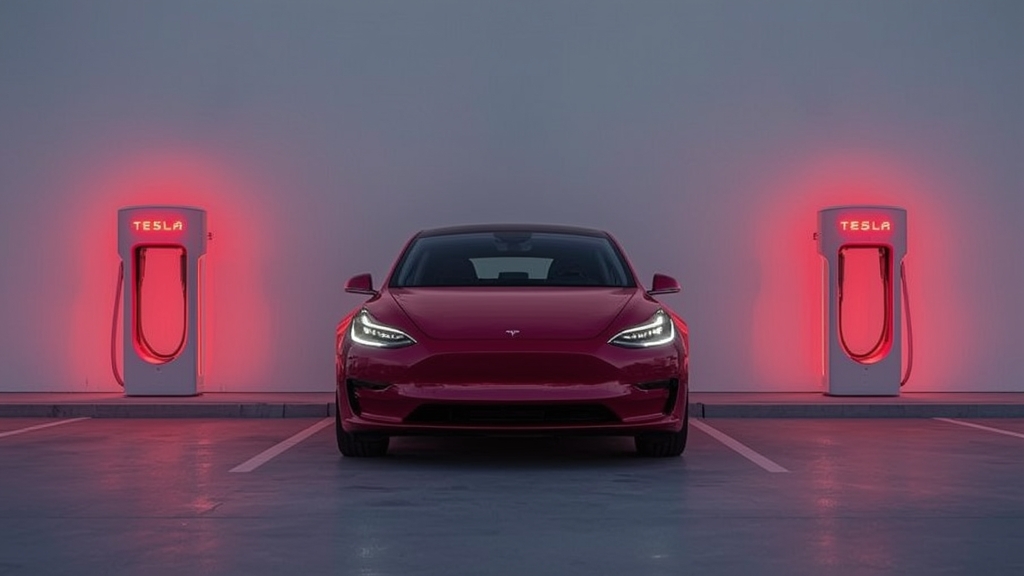
Tesla has been quietly filing pre-permits for dedicated Robotaxi-only Supercharger sites in Arizona's East Valley, and the details are interesting enough to pay attention to. Two locations confirmed so far, both designated non-public, both tucked into industrial zones away from customer traffic. A third draft permit has also been submitted for another Mesa location. This isn't a press release. This is permit filings, which means it's actually happening.
What's Going In at Chandler
The Chandler site sits on South Roosevelt Avenue on an industrial parcel. The plans call for 56 V4 Supercharger stalls, plus new SRP transformers, switching cabinets, and upgrades to existing underground lines. That's a serious infrastructure build, not a pilot program. 56 stalls dedicated to a single use case, in an industrial zone, tells you something about the scale Tesla is planning for here.
The second confirmed site is in Mesa at 5349 E Main Street, also industrial zone, also V4. Both are explicitly non-public use.
The Part That Doesn't Quite Add Up
Here's where it gets a little odd. Cybercab, the vehicle that's presumably the point of all this, is expected to use wireless charging rather than plug-in V4 Superchargers. And Tesla has been testing Cybercab units around Arizona for the past few months. So why build 56-stall V4 infrastructure for a vehicle that probably won't plug in?
A few possibilities. One is that these sites are designed for the broader Robotaxi fleet, which includes existing Tesla vehicles running unsupervised FSD hardware (that rollout is already happening across the lineup). Cybercab may eventually use wireless, but today's fleet uses plugs. The private-use designation makes sense if you're staging vehicles between rides, not because Cybercab needs a V4 stall.
The other thing worth noting: V4 stalls support bidirectional charging. Idle Robotaxis sitting between fares could theoretically feed energy back to the grid during off-peak hours. That changes the economics of a dedicated charging hub in ways that a public Supercharger location couldn't support, because public stalls turn over constantly. A private depot with idle vehicles sitting for hours is a different situation entirely.
What the Industrial Zone Placement Means Practically
Both sites are in industrial areas, away from public roads and customer traffic. That's not accidental. It's the same logic as a taxi garage or a bus depot. You don't park your fleet at the airport terminal. You park it somewhere cheap and industrial, then dispatch from there. This is boring infrastructure, which is exactly what you need before you can run a serious commercial service.
The fact that Tesla is at the permit stage in Arizona, where Cybercab testing is already underway, suggests the timeline for commercial Robotaxi operations there is closer than the vague "sometime this year" language Tesla tends to use publicly.
My Read
The V4-plus-bidirectional setup probably serves the transitional fleet: existing Teslas running unsupervised FSD. Cybercab with wireless charging may follow later, at which point these same facilities could be retrofitted. Or maybe the wireless charging story is more complicated than the current expectation. Either way, the infrastructure being built now is real, the scale is serious, and Arizona is clearly where Tesla is treating this as a real operational buildout rather than a demo.
It's worth watching the third Mesa permit when it gets further along. Three private-use Robotaxi charging hubs in one metro area is a fleet, not a test.
Source: Teslarati