Tesla's Robotaxi Crossed One Million Unsupervised Miles. The Pace Is What's Interesting.
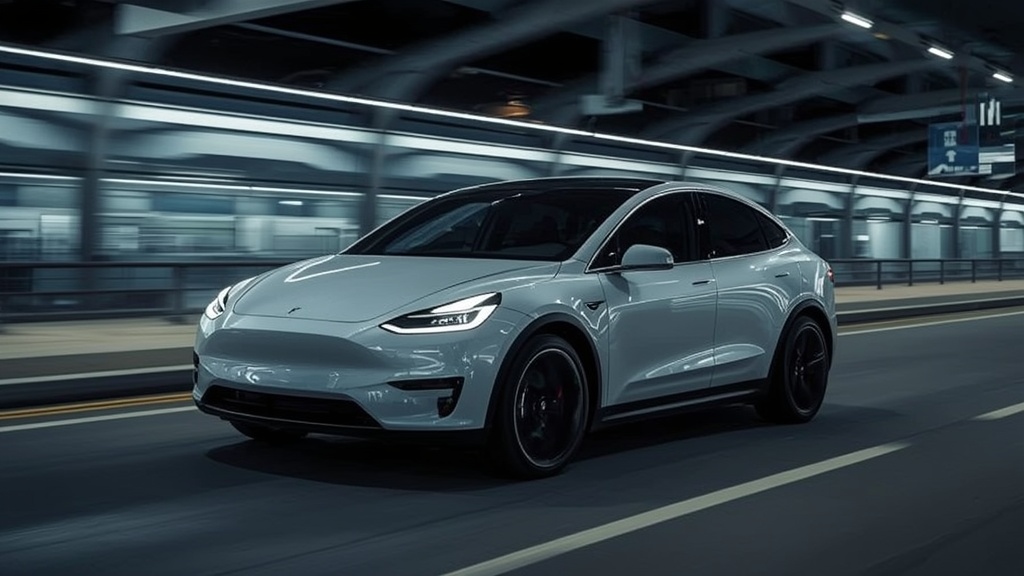
Tesla announced on September 3, 2026 that its Robotaxi fleet had surpassed one million miles of fully unsupervised operation. The milestone landed at a Cybercab event in Austin, and if you just read that number in isolation it sounds impressive. But the more interesting story is the rate. Tesla reported 380,000 unsupervised miles during its Q2 earnings update in late July. That means it added roughly 620,000 miles in about six weeks. Double-digit weekly growth, according to Tesla. That trajectory matters more than the round number.
Where the Fleet Actually Operates
Tesla's unsupervised Robotaxi service currently covers Austin, Dallas, Houston, Miami, Orlando, and Tampa. The Austin service launched in June 2025 with safety drivers present, so the unsupervised phase is relatively recent. In the San Francisco Bay Area, Tesla still uses a safety monitor in the vehicle because California permitting requires it. So "fully unsupervised" depends on what state you're in.
As of September 3, Tesla also opened public Cybercab rides in Austin. The Cybercab itself is a purpose-built vehicle with no steering wheel, no pedals, and no conventional mirrors. It's not a converted Model 3 with the wheel removed. It's designed from the start for autonomous ride-hailing only. Tesla submitted documents to the State of Texas showing it added 45 Cybercab units to the Austin fleet.
How This Compares to Waymo
One million miles sounds big. Waymo has accumulated more than 200 million fully autonomous rider-only miles. That's the honest comparison. Tesla is not ahead of Waymo on total autonomous mileage. Not even close, yet.
But Tesla's fleet is newer, running in more cities, and growing faster than anything Waymo has shown. Whether that growth rate holds, and whether the safety record holds with it, is what actually matters. A million miles is enough to draw tentative conclusions. Two hundred million miles is enough to draw real ones. This could mean Tesla catches up faster than people expect, or it could mean the easy miles are behind them and the hard ones are next.
The 24-Hour Question
Right now the paid network runs 6 a.m. to 10 p.m., seven days a week. On September 4, Tesla AI VP Ashok Elluswamy said 24-hour service would arrive "next month or so" once the next tech merges on the v15 plan. That puts potential 24-hour operation somewhere in October 2026, in at least some markets. I'll believe it when I see it, but if FSD v15 is actually delivering what Tesla says, the hours restriction is probably a confidence threshold, not a hard technical wall.
FSD v15 is described as a step-change architecture with seven parallel improvement tracks and roughly ten times more parameters than earlier builds. Early versions are already running on the Robotaxi fleet and reportedly contain about 40 percent of the planned gains. So there's still a lot of v15 left to deploy.
What's Rolling Out to Regular FSD Owners
Separate from the Robotaxi stuff, Tesla is pushing FSD Supervised v14.3.9 to regular vehicles. The notable addition is an active safety feature that can take control even when the driver is operating manually. If the system detects an imminent collision and decides standard automatic emergency braking won't be enough, it can intervene using steering, braking, and acceleration together. It can move toward a shoulder or change lanes if conditions allow, then continue driving after the threat passes.
This requires an active FSD purchase or subscription to activate. And I want to be clear about what it is: it's not a new self-driving feature, it's a collision evasion assist that goes beyond traditional AEB. Whether it helps more than it interferes is something owners will figure out quickly.
The NHTSA Audit Query
NHTSA opened an Audit Query into the Cybercab's FMVSS certification around September 3. Federal motor vehicle safety standards were written assuming vehicles have brake pedals, steering wheels, and mirrors. The Cybercab has none of those. This isn't NHTSA coming after Tesla specifically. It's a regulatory process that has to happen when a vehicle doesn't fit existing categories. Tesla knew this was coming and the Cybercab presumably has an alternative compliance path. But it's worth watching how that process resolves, because it sets precedent for every purpose-built autonomous vehicle that follows.
The Infrastructure Side
One detail that doesn't get much attention: Tesla is building dedicated Robotaxi charging sites. The fleet currently uses public Superchargers at night. Dedicated infrastructure makes sense if the fleet is going to scale and eventually run around the clock. That's not a headline, but it's the kind of thing that actually enables the rest of it.
Where This Leaves Things
A million unsupervised miles is a real number, not a marketing construct. The growth rate from 380,000 to a million in six weeks is genuinely notable. The Cybercab being in public service now is new. And v15 still has 60 percent of its gains left to deploy.
But Waymo's 200 million miles is also a real number. Tesla is building toward something, and the foundation looks more solid than it did a year ago. Whether October brings 24-hour service and whether v15 delivers what's been promised, those are the things worth tracking over the next few months.
Source: Teslarati