Tesla Semi's Real Numbers Are Out: 822 kWh, 500 Miles, $290K
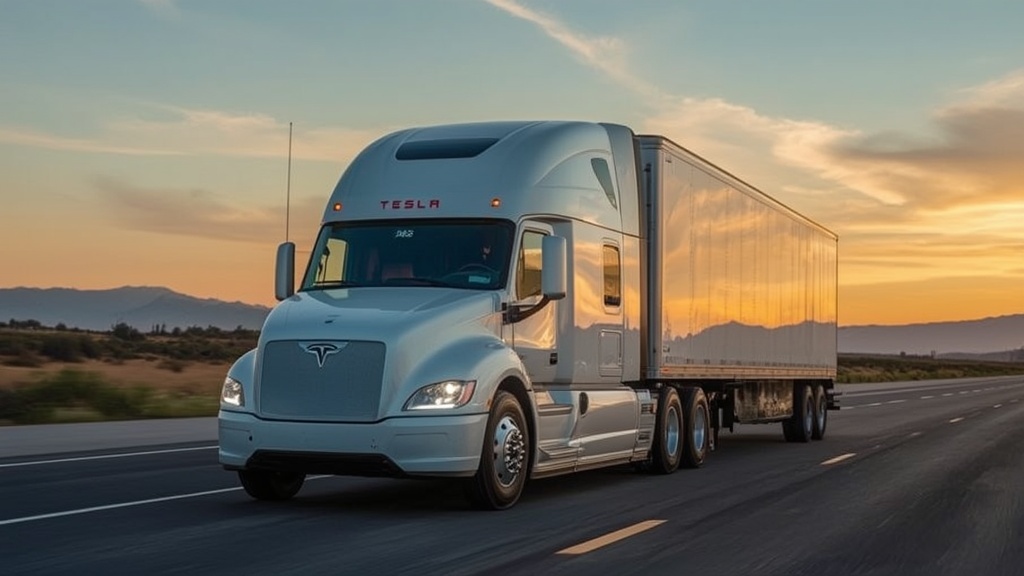
California's Air Resources Board is a surprisingly useful source of Tesla specs. CARB requires battery capacity disclosures for emissions certifications, and their April 2026 filings put hard numbers on the Tesla Semi that Tesla itself has been cagey about for years. So here's what we actually know now.
The Battery Numbers
The Long Range Semi carries 822 kWh of usable capacity. The Standard Range variant is 548 kWh. Both use NCMA lithium-ion chemistry, built from Tesla's 4680 cells manufactured at the same Nevada complex where the trucks are being assembled.
That's a serious battery. And it's not marketing capacity either. These are usable figures from a regulatory filing, which means they're the numbers that actually matter for range calculations.
Tesla's efficiency figure is approximately 1.7 kWh per mile under full load. Run the math on 822 kWh and you land at roughly 483 miles, which aligns with the ~500 mile real-world range estimate for the Long Range. The Standard Range works out to about 322 miles against the ~325 mile estimate. The numbers are consistent, which is more than I can say for some EV range claims I've seen.
Motor and Weight
Peak motor output for the Long Range Semi is 800 kW, with a steady-state figure of 525 kW. GVW rating is 82,000 lbs, same as a standard Class 8 truck. That last part matters for fleet operators because it means no special permitting, no weight exemptions, no surprises at weigh stations. It's just a truck from a regulatory standpoint.
What It Costs
Long Range comes in at approximately $290,000. Standard Range at approximately $260,000. Diesel Class 8 trucks have been pushing toward the upper end of the six-figure range for loaded configurations, so the Semi costs more upfront. Whether that pencils out depends entirely on fuel costs, route type, utilization, and whether Megacharger access exists where you actually need it.
For a depot-to-depot operation running fixed routes under 400 miles with high daily utilization, the math probably works. For irregular long-haul, it's harder. The 500-mile range under full load sounds good until you factor in mountains, headwinds, and loads that vary run to run.
Production Is Actually Ramping
The more significant update from April 2026 isn't the specs, it's the production news. Tesla's Semi facility in Sparks, Nevada covers 1.7 million square feet, and high-volume production is ramping there now. The capacity target is 50,000 trucks per year, which would represent roughly 20% of the North American Class 8 market.
That's an ambitious target. The North American heavy truck market is established territory with competitors who have been building diesel trucks for over a century. But Tesla hitting even half of that annual capacity target within the next couple years would start moving the needle on fleet adoption conversations industry-wide.
The CARB filing confirms the physics work. The Nevada facility confirms the manufacturing intent is real. What we still don't have is quarterly production numbers we can track. That's the metric I'm watching.
Source: Teslarati