Two Years After 'We, Robot,' Here's Where Tesla's Big Bets Actually Stand
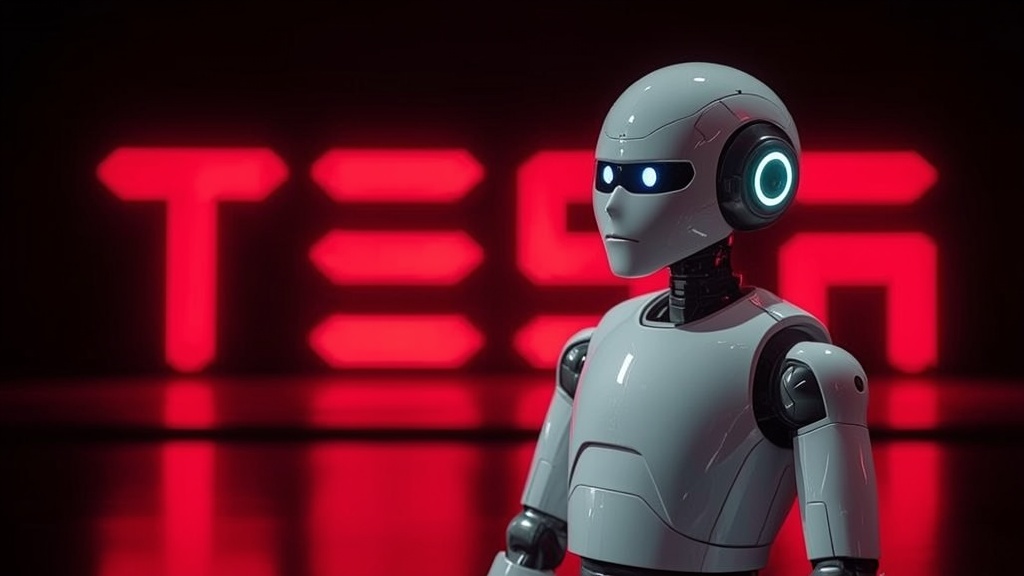
Tesla unveiled the Robovan at the "We, Robot" event in October 2024. It could carry 20 passengers or handle freight, had no steering wheel or pedals (same layout as the Cybercab), and Musk claimed operating costs could fall under $1 per mile. The crowd went nuts. And as of August 2026, nearly two years later, there's still no confirmed production timeline. That tracks.
The Robovan: Great Concept, Open Questions
The sub-$1-per-mile target is the number that sticks. If it holds, that's genuinely disruptive for transit and last-mile freight. A vehicle hauling 20 people autonomously at that cost would reshape short-distance mobility in a real way. But "if it holds" is doing a lot of work in that sentence.
No steering wheel and no pedals means the Robovan is entirely dependent on autonomous capability Tesla hasn't fully deployed commercially yet, let alone at the regulatory threshold you'd need for a 20-person vehicle. The Cybercab is supposed to come first. That doesn't have a firm date either. So the Robovan sits downstream of multiple unresolved problems.
This could mean Tesla is sequencing things sensibly and the Robovan is just early. Or it could mean "We, Robot" was a vision showcase more than a product roadmap. Both are plausible. The lack of any timeline update in 20 months doesn't settle the question either way.
Optimus Is Actually Moving
Contrast that with Optimus, where there's real factory activity. Earlier in 2026, Tesla converted the old Model S and Model X assembly line at Fremont into a Gen 3 Optimus production line. You don't gut a working factory floor for something you're planning to shelve. That's a physical commitment.
A second, larger plant is under construction at Giga Texas, targeting volume production in summer 2027. The eventual stated capacity is 10 million units per year. That number is hard to process. For reference, the entire global auto industry sells roughly 80 million vehicles a year. Tesla is suggesting Optimus alone could eventually approach the output of a major automaker.
The long-term price target Musk has cited is $20,000 to $30,000. At the low end, that's cheaper than most used Model 3s right now. Whether the economics actually work at scale is a separate question, but the target says this is meant to be a mass-market product, not something that only makes sense in an enterprise lease.
Terafab: The Unsexy Infrastructure Play
In March 2026, Tesla, SpaceX, and xAI announced Terafab, a joint venture aimed at producing over a terawatt of AI compute annually. This one gets less coverage than Robovan or Optimus, but it might matter more in the long run.
Autonomous driving and humanoid robots both require enormous inference compute. Building your own supply chain for that compute is partly a business move and partly a hedge against the kind of chip constraints that have hit every hardware company since 2020. If Terafab actually delivers, Tesla (and its partner companies) stop depending on someone else's production schedule for the compute that makes their products work.
Whether a joint venture spanning three companies with overlapping but not identical interests actually delivers a terawatt is an open question. The logic is sound. Execution across that many stakeholders is a different thing.
What I'm Actually Watching
Tesla is running a lot of parallel bets right now. Robovan needs FSD to mature before it can exist as a product. Optimus has real factory investment but capacity targets that sit somewhere between ambitious and theoretical. Terafab is infrastructure for capabilities still being built.
None of that is necessarily a problem. The question is sequencing and whether the milestones are real. The thing I'd watch most closely is whether the Fremont Optimus line produces units at meaningful scale before the Giga Texas plant is supposed to come online in 2027. That would tell you more about where Optimus is actually headed than any presentation slide.
The Robovan is harder to track because there's nothing concrete to track yet. If we're still at "no confirmed timeline" in another 12 months, that's a different kind of answer.
Source: Teslarati